

Every great portrait begins with an idea. Perhaps you want to celebrate a birthday, update your professional headshot, create images for your personal brand, capture a special family moment, or simply document who you are at this stage of your life. Whatever your reason, you probably have a picture in your mind of how you want the final photographs to look.

However, turning that idea into a beautiful portrait requires more than standing in front of a camera. It involves planning, communication, lighting, styling, posing, photography, and careful editing. When these elements work together, the result becomes more than an attractive image. It becomes a photograph that reflects your personality, communicates your vision, and serves a meaningful purpose.
At Titography Studios, we believe the journey from your initial idea to the final portrait should feel clear, collaborative, and enjoyable. Our approach combines professional expertise with an understanding of your individual preferences, ensuring that the creative process remains focused on what matters most to you.
Whether you are planning a birthday shoot, a personal portrait session, a family photoshoot, a professional headshot, or a personal branding session, understanding how the process works can help you prepare confidently and achieve better results.
Every Great Portrait Begins With Your Vision
Before the camera is ready, there is an important question to answer: what do you want your photographs to communicate?
Although this may sound simple, the answer influences almost every decision that follows. A portrait intended to communicate professional confidence will require a different approach from one designed to celebrate a birthday or express a creative personality.
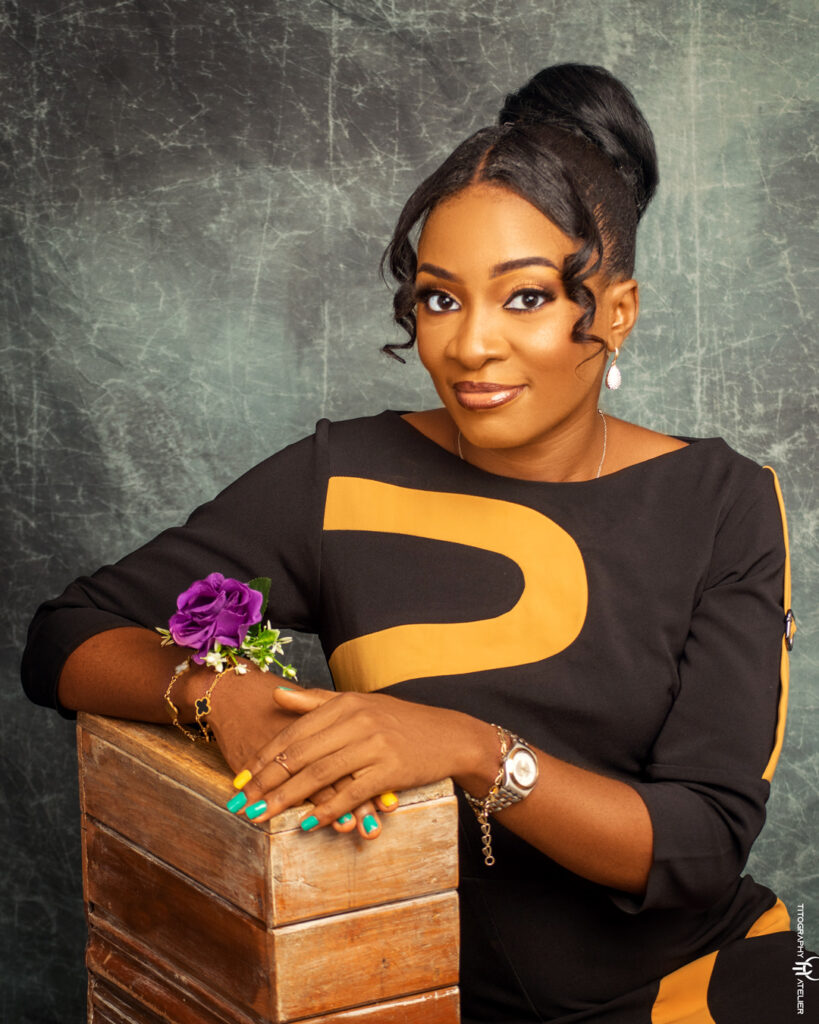
For example, a business professional may prefer a clean background, balanced lighting, and a confident expression. Meanwhile, someone planning a birthday session might want a more expressive style, creative poses, and lighting that creates a distinctive mood.
Therefore, identifying the purpose of your session is the first step toward creating photographs that meet your expectations.
At Titography Studios, we believe your ideas deserve attention from the beginning. You do not need to have every detail figured out before booking. Instead, having a general understanding of what you want to achieve gives the creative process a useful starting point.
The more clearly we understand your vision, the easier it becomes to make decisions that support it.
Turning Ideas Into a Clear Photography Concept
Sometimes, clients know exactly what they want. Others have a collection of inspiration images, a preferred outfit, or a general feeling they want their photographs to express. Both situations are perfectly normal.
However, an idea becomes more useful when it is translated into a practical photographic concept.
Suppose you want a portrait that feels elegant and timeless. That direction can influence the choice of background, clothing, lighting, composition, and posing. Similarly, if you want something bold and dramatic, the creative approach may involve stronger shadows, more deliberate expressions, and a different relationship between light and darkness.
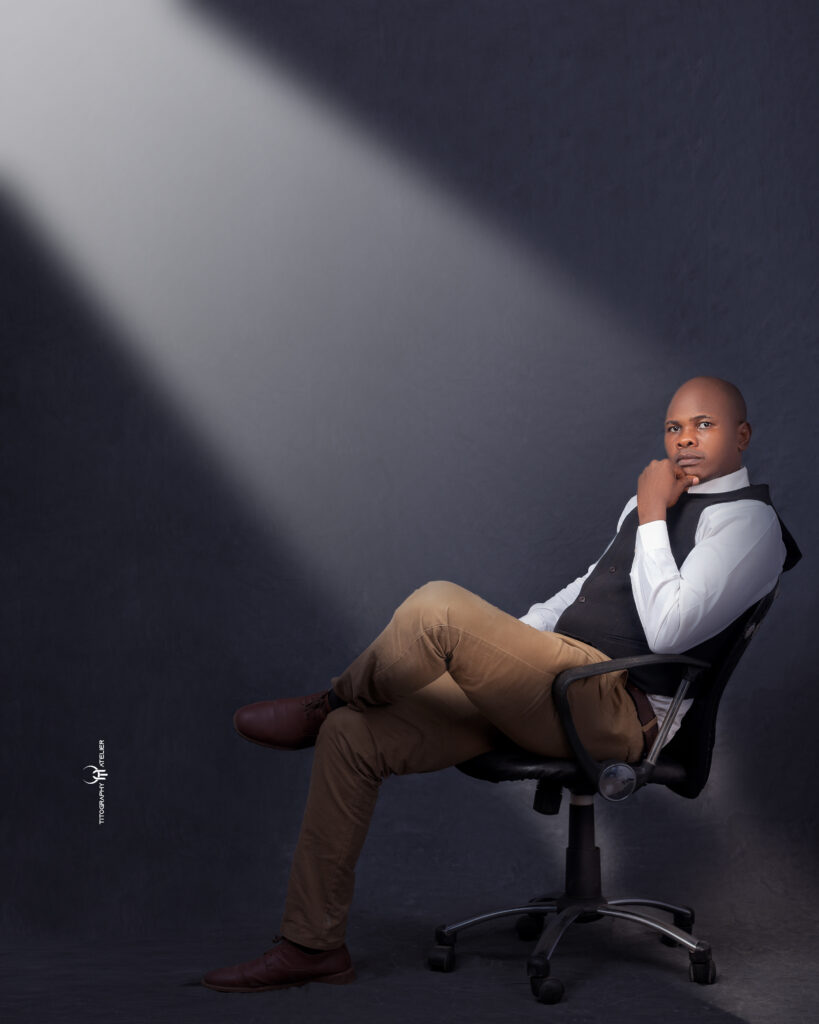
Consequently, the concept acts as a guide for the entire session.
It also helps prevent a common problem: arriving at a studio with expectations that have not been communicated clearly. When the photographer and client understand the intended direction, there is less room for confusion and unnecessary changes.
At Titography Studios, we approach this stage as a collaboration. Your preferences provide the creative foundation, while our photographic experience helps translate them into a concept that works in practice.
Why Communication Makes a Difference
A successful portrait depends on more than technical skill. It also depends on how effectively the photographer understands the client.
For instance, the word “natural” may mean a relaxed pose to one person and an outdoor-inspired aesthetic to another. Likewise, a client who requests a “professional” portrait may want something formal and authoritative, or something approachable and contemporary.
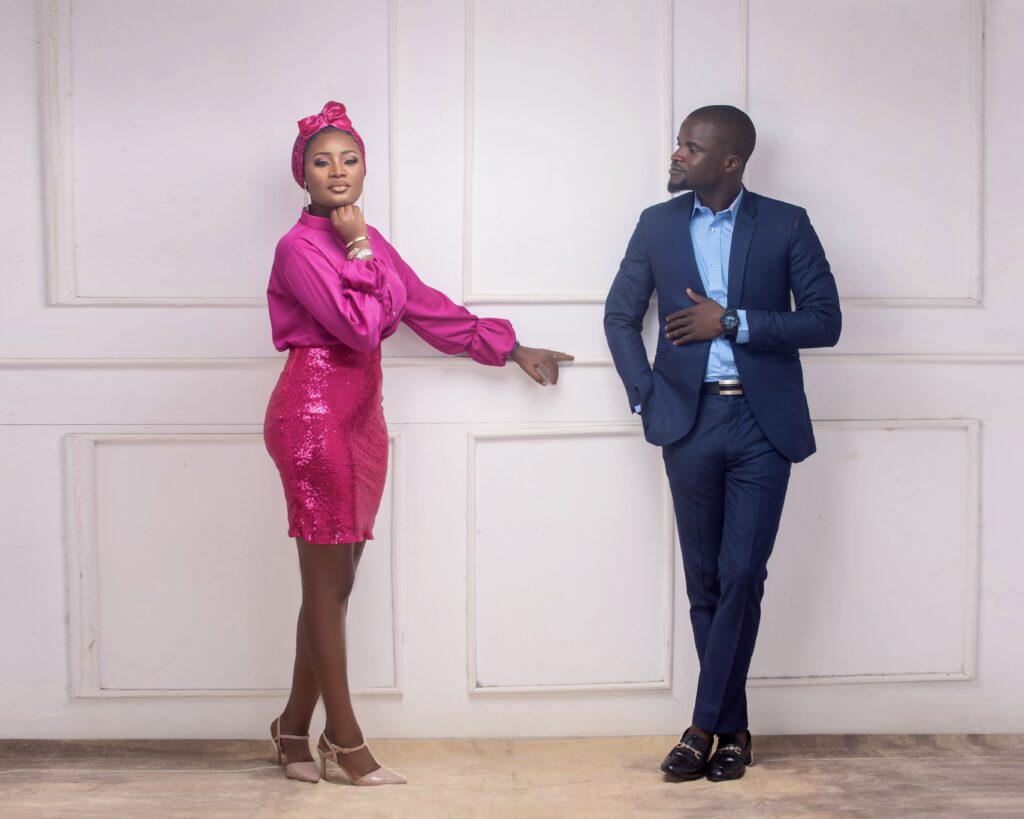
Without communication, these differences can lead to disappointment.
Therefore, discussing your expectations before the shoot is essential. Explaining where you intend to use the photographs, the mood you prefer, and the features you want to emphasize helps establish a shared understanding.
Reference images can also be useful. Although your final portraits do not need to reproduce someone else’s photographs, visual examples can help communicate your preferred style more clearly.
Furthermore, it is important to discuss practical considerations, including wardrobe, the number of looks you hope to achieve, and any specific photographs you consider essential.
When these details are addressed early, the session becomes easier to manage. More importantly, you can approach the experience with greater confidence because you understand the direction in which the work is moving.
Choosing the Right Outfit and Styling
Clothing plays an important role in portrait photography because it influences the overall appearance, mood, and visual balance of an image.
However, choosing an outfit can sometimes become stressful, particularly when clients feel pressure to follow current fashion trends or imitate styles they have seen online.
A more effective approach is to choose clothing that supports the purpose of the portrait while allowing your personality to remain visible.

For a professional headshot, for example, well-fitted clothing in colours that complement your complexion can create a polished appearance. For a birthday session, a statement outfit may help communicate celebration and confidence. Meanwhile, a family portrait may benefit from colours that complement one another without making everyone look identical.
In addition, consider how patterns, accessories, and textures interact with the background. Very busy patterns can sometimes compete with the subject, whereas simpler styling can help keep attention on your face and expression.
Nevertheless, there is no single wardrobe formula that works for every session. The most important consideration is whether your styling supports the vision you want to achieve.
At Titography Studios, thoughtful preparation helps ensure that your outfit and the photographic concept work together rather than compete for attention.
Creating the Right Studio Environment
Once the creative direction is established, the studio environment becomes an important part of bringing the vision to life.
Backgrounds, props, lighting equipment, and the available space all influence how the final photograph will look. However, a successful studio portrait does not necessarily require an elaborate setup.

In many cases, a simple background can be more effective because it directs attention toward the subject. On the other hand, a carefully selected backdrop or creative set can strengthen the concept when the session calls for something more expressive.
The key is to make each element serve a purpose.
For example, a professional headshot may benefit from a clean, uncluttered background, while a fashion-inspired portrait may require a more distinctive visual environment. Similarly, birthday photography can range from minimalist portraits to carefully styled creative setups.
Consequently, the studio arrangement should be determined by the intended result rather than by the assumption that more decoration always produces better photographs.
At Titography Studios, the goal is to create a setting that supports your vision while maintaining visual clarity and professional quality.
Lighting Brings the Concept to Life
Lighting is one of the most influential elements in photography. It affects how facial features appear, how shadows are formed, and how the viewer experiences the final image.
Even when two portraits feature the same person, outfit, and background, different lighting arrangements can produce dramatically different results.

Soft, even lighting can create a clean and approachable appearance. Directional lighting, meanwhile, can introduce depth and stronger definition. More dramatic lighting can communicate intensity, sophistication, or a fashion-inspired mood.
Therefore, lighting should be selected according to the story the photograph needs to tell.
It is also important to understand that flattering lighting does not mean eliminating every shadow. Shadows can create shape and dimension, helping a portrait feel more three-dimensional. The objective is to control them so that they support the intended visual effect.
Furthermore, lighting must work with the subject’s positioning, clothing, background, and overall composition. A change in one area may require adjustments elsewhere.
This is where professional experience becomes valuable. Rather than relying on one lighting setup for every client, the photographer can make deliberate decisions that bring the concept closer to the desired result.
Posing With Confidence, Even If You Are Not a Model
One of the biggest concerns clients have before a photoshoot is not knowing how to pose.
You may wonder what to do with your hands, where to look, how to stand, or whether your smile will appear natural. However, you do not need professional modelling experience to achieve strong portraits.
Posing is a skill that can be guided throughout the session.

Small adjustments can make a significant difference. Changing the angle of your shoulders, shifting your weight, adjusting your chin, or turning slightly toward the light can improve the composition and create a more flattering result.
Nevertheless, effective posing should not make you feel rigid or uncomfortable. Instead, it should provide enough structure to help you feel confident while leaving room for natural movement.
For this reason, communication remains important during the shoot. If a position feels uncomfortable, saying so allows the photographer to explore an alternative.
At Titography Studios, we believe that the best portraits emerge when professional direction and personal expression work together. You bring your personality to the session, and the photographer helps translate it into images.
The Photography Session: Bringing Everything Together
When the planning is complete, the actual photography session becomes the point where the different elements begin working together.
The lighting is arranged, the background is prepared, and the client is guided through the creative concept. However, the process should not feel like a rigid sequence in which every movement must happen perfectly.
Photography involves observation and adjustment.
A particular pose may work better than expected. A different expression may communicate the intended mood more effectively. Similarly, a small change in lighting or camera angle may produce a stronger composition.
Therefore, flexibility is essential, even when the session has been carefully planned.
The photographer must remain attentive to both the technical quality of the images and the client’s comfort. Meanwhile, the client should feel free to communicate preferences, ask questions, and participate in the creative process.
As the session progresses, this collaboration can produce a range of photographs that explore the original concept from different perspectives.
At Titography Studios, our objective is not simply to take numerous pictures. It is to create purposeful images that reflect the reason you booked the session in the first place.
Why the First Photograph Is Not Always the Best
Clients sometimes assume that a successful photography session should produce the perfect image immediately. In reality, the strongest photographs often emerge after the photographer and subject have had time to settle into the process.
The first few frames can help assess the lighting, positioning, expression, and composition. They also give the client an opportunity to become more comfortable in front of the camera.
As a result, later photographs may benefit from small but important improvements.
Perhaps the expression becomes more relaxed. Maybe the posture looks more natural, or the photographer discovers an angle that better communicates the intended mood.
This is a normal part of professional photography.
Rather than treating every frame as a final result, it is more useful to view the session as a process of refinement. Each adjustment helps move the photographs closer to the desired outcome.
Consequently, patience can improve both the experience and the quality of the final images.
From Camera to Computer: The Professional Editing
The photography process does not end when the camera is put away. Post-production is another important stage in transforming the captured images into finished portraits.
During editing, the photographer evaluates aspects such as exposure, colour balance, contrast, tonal consistency, and overall presentation. Depending on the creative direction, additional adjustments may be used to refine the image and strengthen its visual impact.

However, editing should support the original photograph rather than compensate for a lack of direction.
A well-planned session provides a strong foundation for post-production because the lighting, composition, and expression have already been considered carefully.
Furthermore, editing requires restraint. Excessive smoothing, unnatural colour changes, or aggressive manipulation can make a portrait feel artificial. Therefore, the appropriate editing approach depends on the style of the session and the client’s expectations.
At Titography Studios, the purpose of post-production is to refine the photographs while preserving the qualities that make them personal.
The goal is a polished final image that still feels connected to the person in front of the camera.
Selecting the Portraits That Tell Your Story Best
After the session, another important decision is identifying which photographs best represent your vision.
A large collection of images does not automatically create a stronger final result. Some frames may have excellent technical quality, while others may communicate more personality or emotion. The strongest selection often balances both qualities.
For instance, a professional headshot may need a clear expression and confident presentation. A birthday portrait might stand out because of its energy, while a family photograph may be especially valuable because it captures a genuine connection.
Therefore, selecting images should involve more than choosing the photograph in which everything appears technically perfect. The purpose of the session must also guide the decision.
This is particularly important when the images will be used for a specific purpose, such as a business website, professional profile, printed portrait, or personal collection.
By keeping your original vision in mind, it becomes easier to identify the photographs that serve you best.
Common Problems That Can Affect the Final Portrait
Even a well-planned session can become more challenging when expectations are unclear or important details are overlooked.
For example, choosing an outfit at the last minute can create unnecessary uncertainty. Similarly, expecting a particular result without discussing it with the photographer may lead to differences between the intended concept and the final images.
Another common problem is comparing yourself too closely with reference photographs. Although inspiration images can communicate style, differences in facial features, body proportions, lighting conditions, and creative direction mean that your portraits will not necessarily look identical.
Instead, references should help communicate the feeling or approach you prefer.
Furthermore, excessive concern about posing can prevent clients from relaxing. Remember that the photographer is there to provide direction, so you do not need to manage every technical detail yourself.
The most effective solution is to communicate early, prepare thoughtfully, and remain open to professional guidance. This creates a more realistic foundation for a successful session.
Why Your Vision Should Guide the Entire Process
A photography session becomes more meaningful when every stage contributes to a clear purpose.
The concept influences the styling. The styling works with the background. The background supports the lighting. The lighting complements the posing, while the posing helps communicate the desired expression. Finally, editing brings consistency to the completed images.
When these elements are connected, the result feels intentional.
However, when each decision is made independently, the photographs may look visually inconsistent. A dramatic background, for example, may not support the understated professional image you originally wanted.
Therefore, maintaining a clear creative direction helps ensure that the final portrait feels cohesive.
At Titography Studios, your vision provides the starting point, but the process also benefits from collaboration. Professional guidance can help refine your ideas, address practical challenges, and explore creative possibilities you may not have considered.
Ultimately, the goal is not to reproduce your initial idea mechanically. It is to translate that idea into a portrait that works visually and communicates what matters to you.
Your Vision Deserves to Become a Portrait
A meaningful portrait is the result of several decisions working together. It begins with understanding what you want to communicate, continues through thoughtful planning and professional photography, and reaches completion through careful selection and editing.
Throughout that process, communication, preparation, lighting, posing, and creative direction all play important roles.
At Titography Studios, we believe that every client deserves a photography experience that respects their vision while benefiting from professional expertise. Whether you are planning a birthday shoot, refreshing your professional headshot, building your personal brand, celebrating your family, or simply creating portraits for yourself, we work toward images that feel purposeful, polished, and personal.
You do not need to have every detail figured out before you begin. You simply need an idea of what you want to achieve and a willingness to collaborate throughout the process.
From the first conversation to the final edited portrait, each stage offers an opportunity to refine the vision and turn it into something tangible.
Ready to bring your vision to life? Book your photography session with Us today. Let’s transform your ideas into professional portraits that reflect your personality, tell your story, and give you photographs worth keeping.


